What Is a Detached House? Meaning, Pros, Cons and Costs in Ontario
A detached house is a home that stands alone on its own lot, sharing no walls with any neighbour — and in Ontario it is both the default dream and the priciest way to own a house: on HomesFound tonight, only 86 detached homes in Toronto are listed at $750,000 or less. What the term means, how it differs from a semi, a town and a condo, and what it really costs to run.
The definition
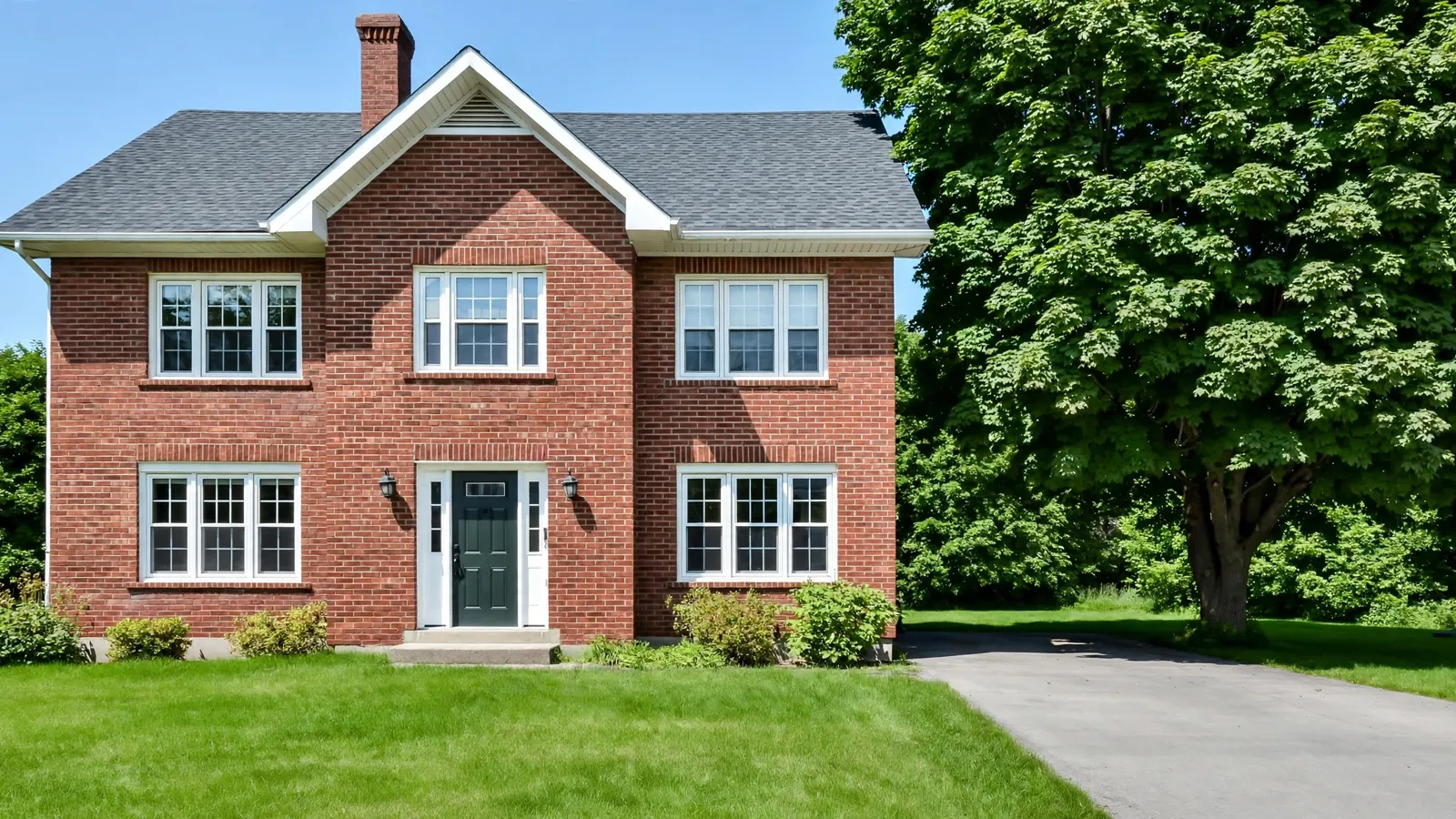
A detached house is a home that stands on its own lot and shares no walls, floors or ceilings with any other home. One building, one household, with open space on all four sides — even if that space is only a narrow side yard between your wall and the neighbour's. In listing language it is the simplest form there is: if a listing says "detached," the whole structure is yours, and nothing structural ties it to the house next door.
That one fact — no shared walls — drives almost everything else about detached ownership: the price, the privacy, the maintenance bill and the freedom to change the building. It is also why "detached" is the default picture most Ontario buyers carry in their heads when they picture buying a house.
Detached vs. semi-detached, townhouse and condo
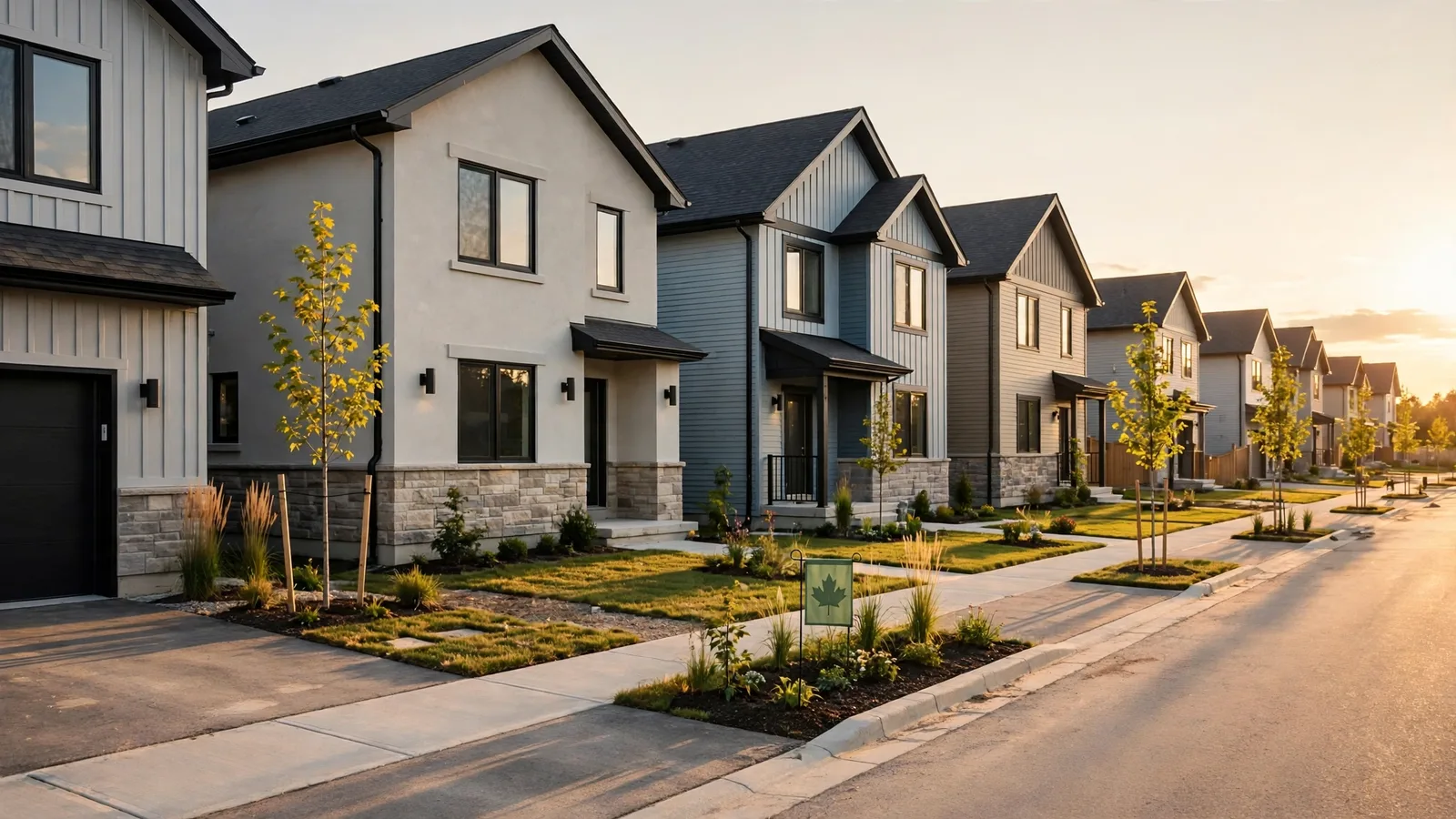
The four common forms of Ontario home sit on a ladder of shared structure. The further up the ladder, the more of the building and land you own outright — and the more of it you maintain alone.
| Form | Shared walls | Land | Monthly fees |
|---|---|---|---|
| Detached | None | Your lot, entirely | None |
| Semi-detached | One, with one neighbour | Your half-lot | None |
| Townhouse | One or both sides, in a row | A narrow lot, or none if condo | None if freehold; condo fees if condo |
| Condo | Walls, floors and ceilings | A share of the whole, held by the corporation | Condo fees |
A semi-detached is one half of a pair of houses joined at a single wall — structurally and legally separate, but physically attached. A townhouse trades more shared wall for less land and usually a lower price. A condo is a different kind of ownership altogether: you own the unit, and a corporation owns and runs everything shared. Detached sits at the top of the ladder because nothing is shared.
What you own
With a detached house you own the land between the lot lines and everything built on it: the house, the garage, the driveway, the fences, the trees. That is a larger asset than the building alone, and in most Ontario markets the land is the part that does the long-term appreciating. It is also why two houses with identical floor plans can be priced far apart — the lots underneath them differ.
Owning the land brings options no attached form offers in the same way. You can extend, add a storey, rebuild, or sever a wide lot where zoning allows, subject to permits and bylaws. Most bungalows — themselves usually detached — are bought with exactly that kind of future in mind.
The costs nobody lists
A detached house has no condo fees, which buyers sometimes misread as no shared costs. The truth is simpler: every cost is present, and every one of them is yours alone. The roof, the furnace, the windows, the driveway resurfacing, the eavestroughs, the lot's drainage, the tree that needs a surgeon — there is no corporation to split any of it with, and no reserve fund smoothing the bill.
None of this is a reason to avoid detached ownership; it is a reason to budget for it honestly. A sensible habit is to keep a running reserve for the big-ticket items, because on a detached house they arrive on your schedule only in the sense that you choose when to stop deferring them.
The pros
Privacy and quiet come first: no neighbour's footsteps overhead, no shared wall carrying sound, no hallway traffic. Space comes with it — a yard, a driveway, usually a garage, and room to grow into rather than out of. Control is the third advantage: you decide when the roof gets done, what the kitchen becomes and whether the basement gets finished, without a condo board's permission or an attached neighbour's cooperation. And because you own the land outright, a detached house is the form most directly exposed to land value, which is the engine of long-term prices in land-scarce markets.
The cons
Price is the obvious one. Detached is the most expensive way to buy a house in Ontario, and in the biggest markets the gap is not small — on HomesFound tonight, only 86 detached homes in all of Toronto are listed at $750,000 or less. Maintenance is the second: the full upkeep of a building and a lot, in money or in weekends. The third is efficiency: a detached house heats and cools four exposed walls and a roof of its own, so utility bills and insurance tend to run higher than an attached home of the same size.
Who a detached house suits
Detached suits buyers who plan to stay long enough for the land to matter, who want the yard and the quiet, and who are willing to own the whole maintenance list in exchange for control. It suits less well if the purchase price stretches the budget to the point where upkeep gets deferred, or if what you actually value is lock-the-door-and-leave convenience — a genuine feature of condo and townhouse living, not a compromise. Knowing which buyer you are is part of the buying process itself, and it is worth settling before the search, not during it.
The bottom line
A detached house is the complete form of ownership: your land, your building, your bills, your decisions. Start with the live market — see detached homes for sale in Toronto or detached homes for sale in Oakville — then browse detached homes live across Ontario and compare the premium against semis and towns with the same eyes.
The rest of the ladder has its own explainers: what a semi-detached home is, what a townhouse is and what a stacked townhouse is.