What Is a Bungaloft? The Bungalow With a Loft, Explained
A bungaloft is a bungalow with a loft — vaulted ceilings, a mezzanine level over the great room, and one-floor living everywhere else. The newest member of the bungalow family, why builders love it, how rare it actually is in Ontario, and what to check before buying one.
The definition
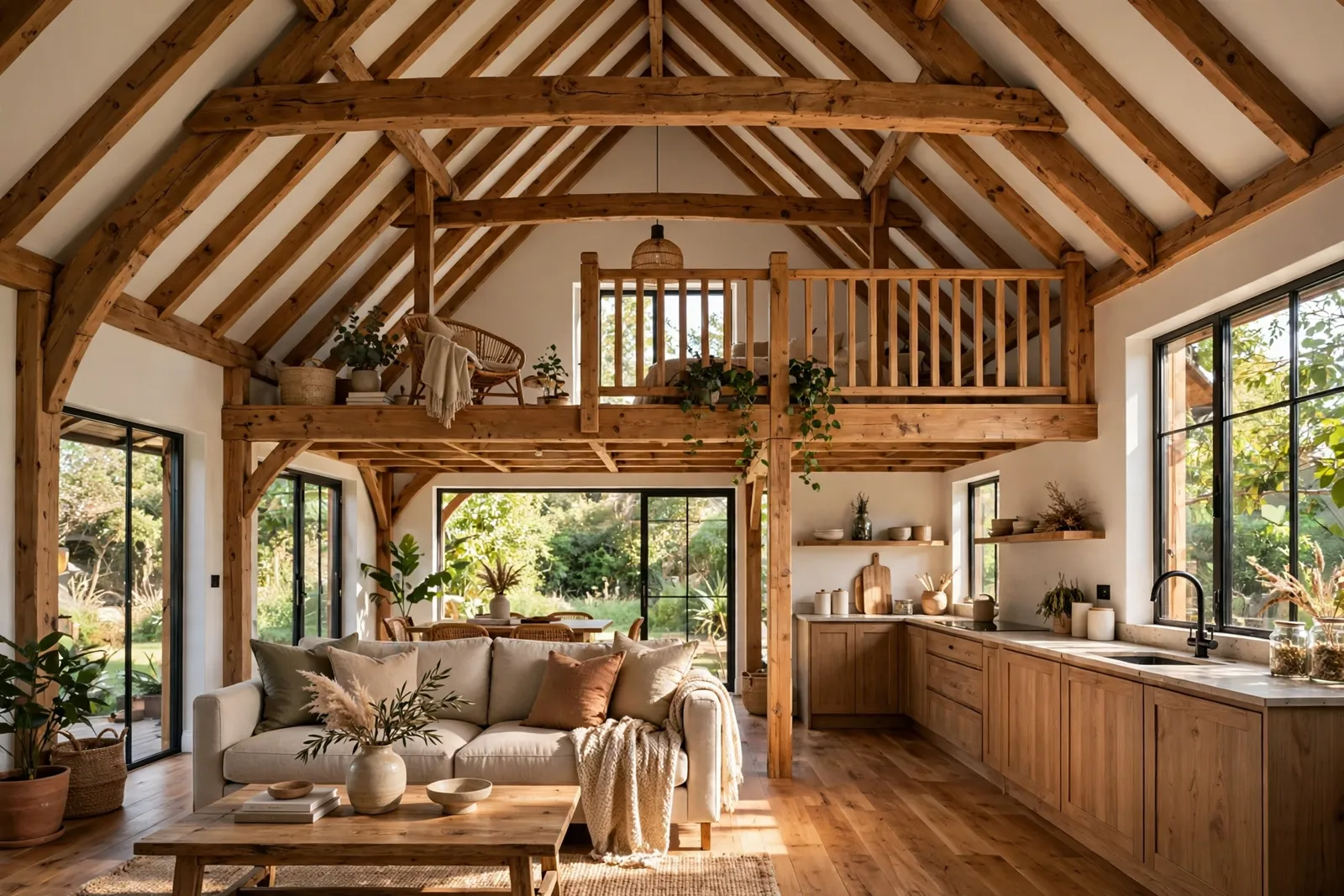
A bungaloft is a bungalow with a loft: the main floor keeps the classic one-level bungalow plan — kitchen, living space and bedrooms all on a single storey — while the roof opens up into a vaulted ceiling with a mezzanine loft level tucked under it, usually overlooking the great room. The loft typically holds the primary bedroom suite, a lounge or a home office: one room given the drama, everything else kept on the flat.
It is the youngest form in the bungalow family. Where a raised bungalow lifts the whole house and a backsplit staggers its floors, a bungaloft leaves the plan alone and plays with the ceiling instead. If a bungalow is a house with the lid on, a bungaloft is the same house with the lid lifted.
How rare is it, actually?
Rare — and the listing data proves it. The MLS gives bungalofts their own style code, and as of November 16, 2026 there were 655 bungalofts listed for sale in all of Ontario, out of 15,820 bungalow-style listings — about four in every hundred. Toronto had just five. They cluster where they were built: newer subdivisions and adult-lifestyle developments in places like Burlington (18 listed), Hamilton (20) and Markham (12), rather than in the older bungalow belts. When one comes up in a neighbourhood with none, it competes in a field of one.
Why builders build them
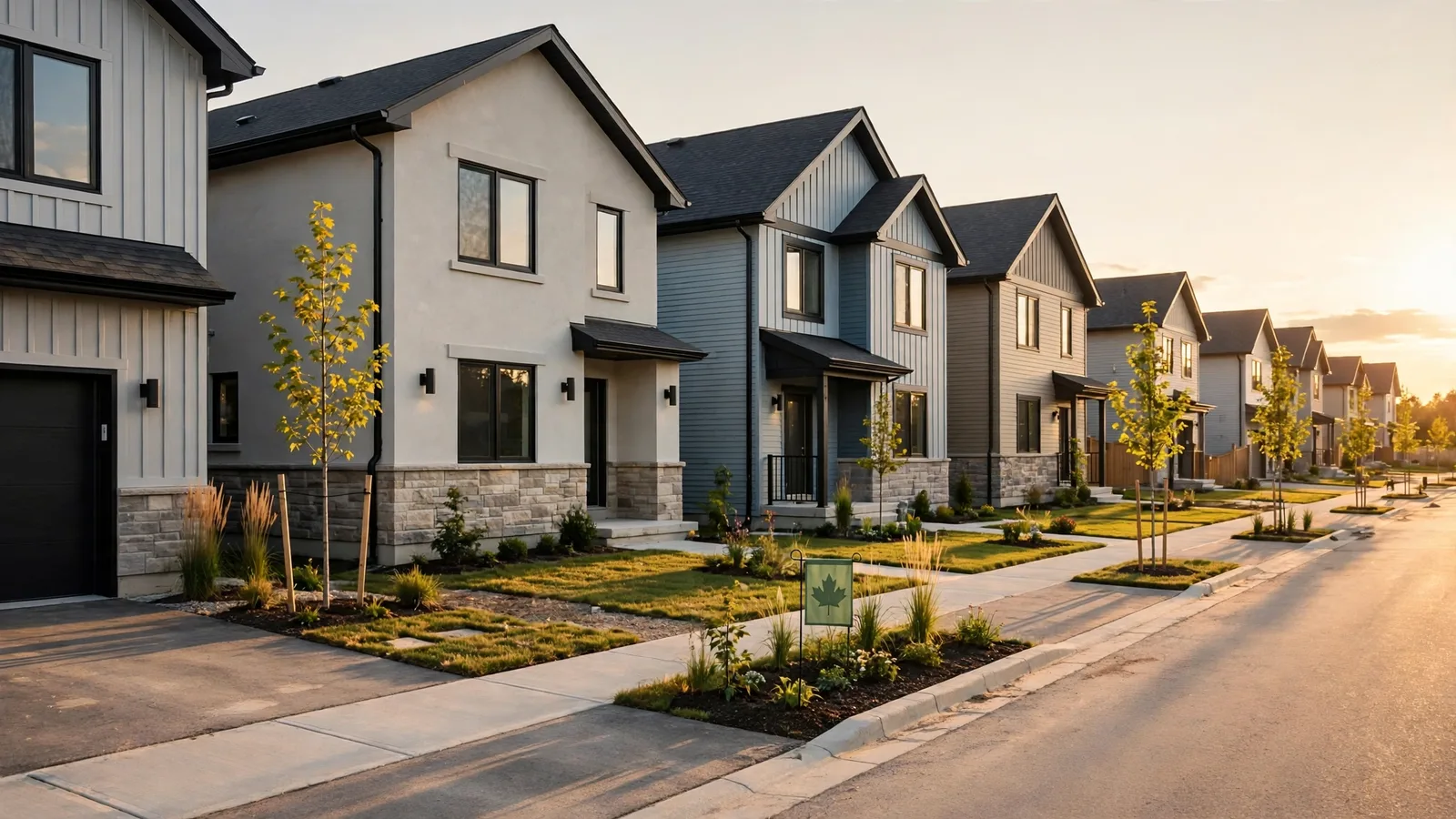
The bungaloft solves a marketing problem. Downsizers want one-floor living but not a house that feels small; the vaulted great room and the loft deliver volume and light without a second storey of bedrooms nobody uses. Builders get a premium product on a bungalow footprint — and bungalow footprints are wide, so bungalofts appear most where lot prices allow them: lifestyle communities, golf-course developments and executive subdivisions. The form took off in the 1990s and 2000s and is still offered by Ontario builders today, which makes it the only member of the bungalow family in this series that you can still buy new. For the sizes involved, see how large bungalows typically are.
The case for a bungaloft
One-floor daily life. Kitchen, living, laundry and at least one bedroom and bathroom on the main level — the loft is a bonus, not a necessity, which is exactly the right relationship to have with stairs. Light and volume. Vaulted ceilings and the windows that come with them make a modest footprint feel generous. A retreat with separation. A loft primary suite sits apart from the main floor's guest bedrooms — privacy a flat bungalow cannot offer. Scarcity. With a few hundred for sale province-wide at any time, a good bungaloft faces thin direct competition when you sell.
The honest drawbacks
Heating and cooling a tall room costs money. The great room's volume is the point — and the hydro bill knows it. Ask for utility records. The loft hears everything. An open mezzanine over the living space means the TV, the guests and the dishwasher all report upstairs. It is a lounge or a suite for people on the same schedule, not a quiet office during a dinner party. Scarcity cuts both ways. Appraisers need comparable sales, and a form with five listings in Toronto gives them little to work with — valuation can be conservative, which matters if your financing depends on it. Price per square foot runs high. Bungalofts are marketed as premium product and priced like it; compare against the broader market in our Ontario bungalow price guide before falling for the ceiling.
Bungaloft or small two-storey?
The bungaloft's real competition is not other bungalows — it is the compact two-storey at the same price. The two-storey gives you more bedrooms and a conventional layout that appraises and resells easily. The bungaloft gives you the better main floor: bigger-feeling rooms, main-level living for the decades when stairs matter, and a plan builders designed for how people actually age. If the household is two people planning to stay twenty years, the bungaloft usually wins the argument. If it is five people planning to move in seven, the two-storey probably does.
What to check before you buy
Confirm the loft is a permitted, finished part of the original build (most are — it is a builder form — but verify any aftermarket conversion). Stand in the loft and have someone run the TV and conversation below at normal volume. Check the great room's windows and seals; tall glass is expensive glass. Ask for a year of utility bills. And confirm how the home is coded on the listing — a true bungaloft carries the "Bungaloft" style, while many listings use the word loosely for any bungalow with a bonus room. Browse what is actually available under bungalows for sale in Toronto and you will see how seldom the genuine article appears.