Power of Sale and Foreclosure Purchases in Ontario: A Buyer's Guide
In Ontario the lender usually sells, not the court — what power of sale actually means, how it differs from foreclosure, and what changes for the buyer: as-is condition, firm timelines that can still move, and pricing that is fair-market by law, not fire-sale.
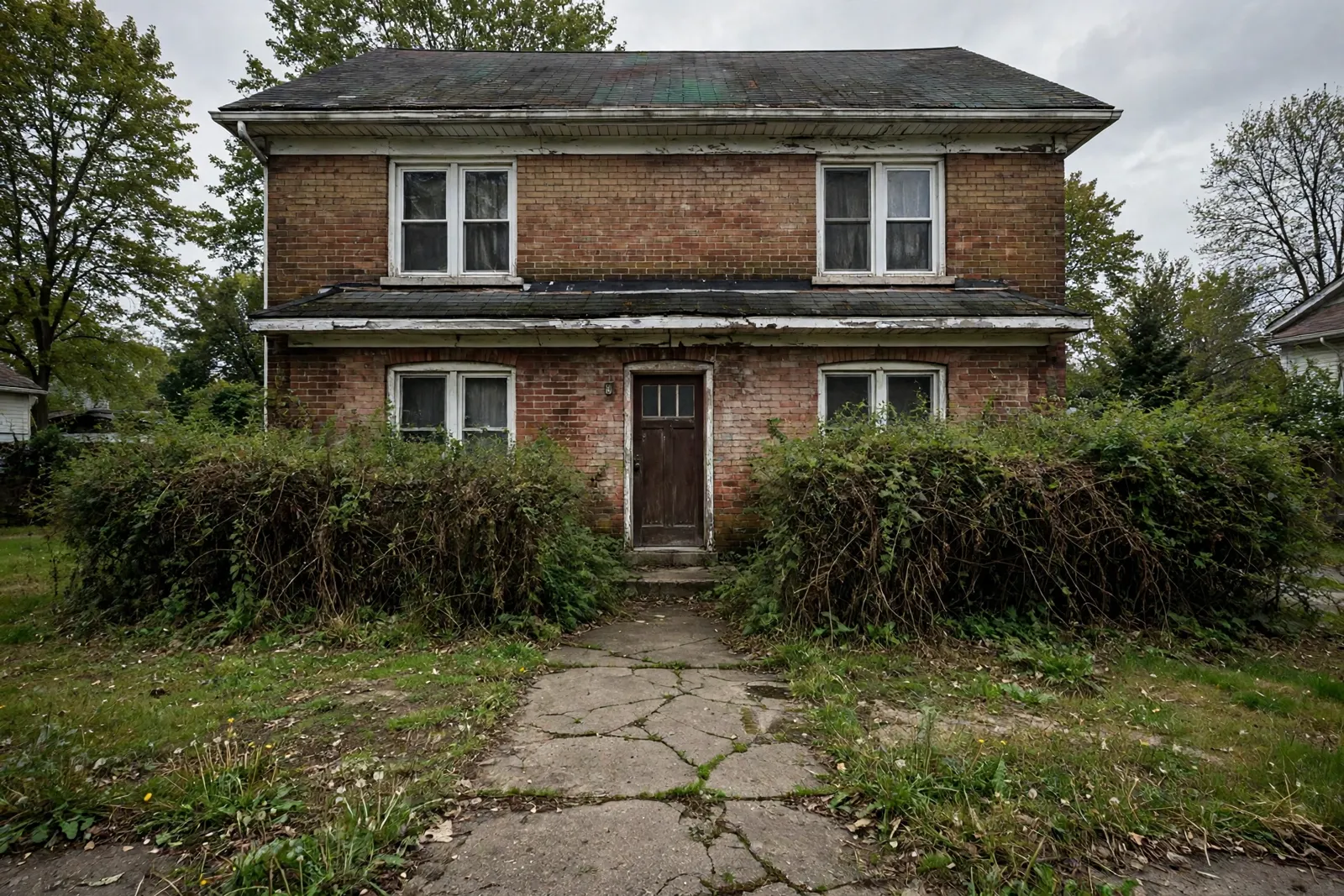
Why you mostly see "power of sale" here
Search Ontario listings long enough and you'll spot them: homes flagged as sold under power of sale, usually with a line about being sold "as is, where is." They are a normal part of this market, and they work differently in ways that matter before you write an offer.
Most Ontario mortgages give the lender a written power to sell the property if the borrower defaults — no court case required. Foreclosure, the term imported from American television, is a court process in which the lender sues to take ownership of the property itself — slower, more expensive, and comparatively rare in Ontario. When a listing says power of sale, this lender-driven process is what's behind it. This is general information, not legal advice — the details of any specific file belong with a lawyer.
The process in short
It starts with a default: missed payments, a mortgage that matured without being paid out, or another serious breach. The lender, usually through its lawyer, serves the borrower with a formal notice of sale. That notice opens a redemption period — a set window in which the borrower can bring the mortgage back into good standing by paying what is owing, plus costs, and stop the process entirely.
If the window passes with the account still in default, the lender takes possession and sells the property on the open market through a brokerage, in the same MLS system as any other listing. One obligation shapes everything that follows: the lender must make reasonable efforts to obtain fair market value. If the sale brings in more than the debt, interest and costs, the surplus belongs to the borrower — the lender must account for every dollar. That duty to sell properly is a large part of why these listings are priced the way they are.
What it means for the buyer
As-is means as-is. The selling lender has typically never lived in the home and knows little about it. There are no warranties — not on the structure, not on the appliances, not on whether everything in the photos will still be there at closing. A home inspection stops being a box to check and becomes your main line of defence: price the home as if the furnace, roof and wiring are question marks until your inspector says otherwise.
Your firm deal is slightly less firm than usual. A borrower who finds the money can in many cases still redeem or pay out the mortgage late in the process, which can delay or even unwind a sale heading toward closing. It doesn't happen often, but it happens, and plan around it: keep your own plans flexible until the keys are in hand, and avoid scheduling the sale of your current home for the same day.
Expect the lender's paperwork. Offers are written on schedules drafted by the lender's lawyer, and their clauses prevail. Read them — or have your lawyer read them — before you sign, not after.
The pricing myth
The persistent myth is that power of sale means half-price houses. It doesn't, for a legal reason: the selling lender is obliged to try for fair market value, and it documents its efforts because the borrower can challenge a careless sale. These homes are exposed to the same market, often with professional pricing and photography, as everything around them.
Where value does show up is quieter. A dated or poorly maintained property prices below its renovated neighbours because buyers discount the work and the risk — the same discount you'd apply to any as-is listing. A buyer who can close cleanly, with certainty and a flexible date, is genuinely attractive to a lender that wants the file finished. Price the home as a property with extra unknowns, not as a lottery ticket.
Financing and closing wrinkles
Some mortgage lenders and mortgage insurers are cautious about as-is properties. If the home needs significant work, financing approval can get harder and an appraisal may come in conservative. Line up a lender who knows the property's condition before your offer goes firm. That is part of buying any home properly, and it matters twice as much here.
Vacant possession is usual, because the lender typically takes possession before selling — but verify it in writing rather than assuming; a property that comes with a tenant is a different purchase. HST is another open question: it can apply to some lender sales, particularly where the property was used as a rental or for a business, and it isn't always obvious from the listing. Ask your lawyer to confirm the HST treatment before you finalize your numbers — it changes the math among your closing costs materially.
How to buy one well
Buy it like an investor, even if you'll live in it. Get the inspection done and price what it finds into your offer. Keep your deposit ready and your paperwork clean — lenders pick the offer most likely to close, and a tidy, firm offer with a solid deposit beats a slightly higher one full of conditions. Offer closing flexibility if you can — a seller working through a redemption clock values a buyer who can absorb a shifted date. And use a lawyer who has closed lender sales before — the redemption rights, the lender's schedules and the HST question are routine to them and expensive to learn on your file.
The bottom line
A power of sale purchase in Ontario isn't a shortcut to a cheap house. It is a regular market purchase with the seller's knowledge removed, extra paperwork added, and a small chance the whole thing unwinds before closing. Buyers who price the unknowns honestly, inspect thoroughly and stay flexible do fine with them; buyers chasing a fire sale the law doesn't allow usually don't. Lender sales sit in the same live listings as everything else — browse what's for sale and shop with these rules in mind.