New Construction vs Resale in Ontario: The Full Comparison
The new-build premium buys you a warranty and a wait; resale buys you a known house on a known street — the real differences are the taxes, the timeline risk and the closing costs nobody quotes at the sales office.
Two different products
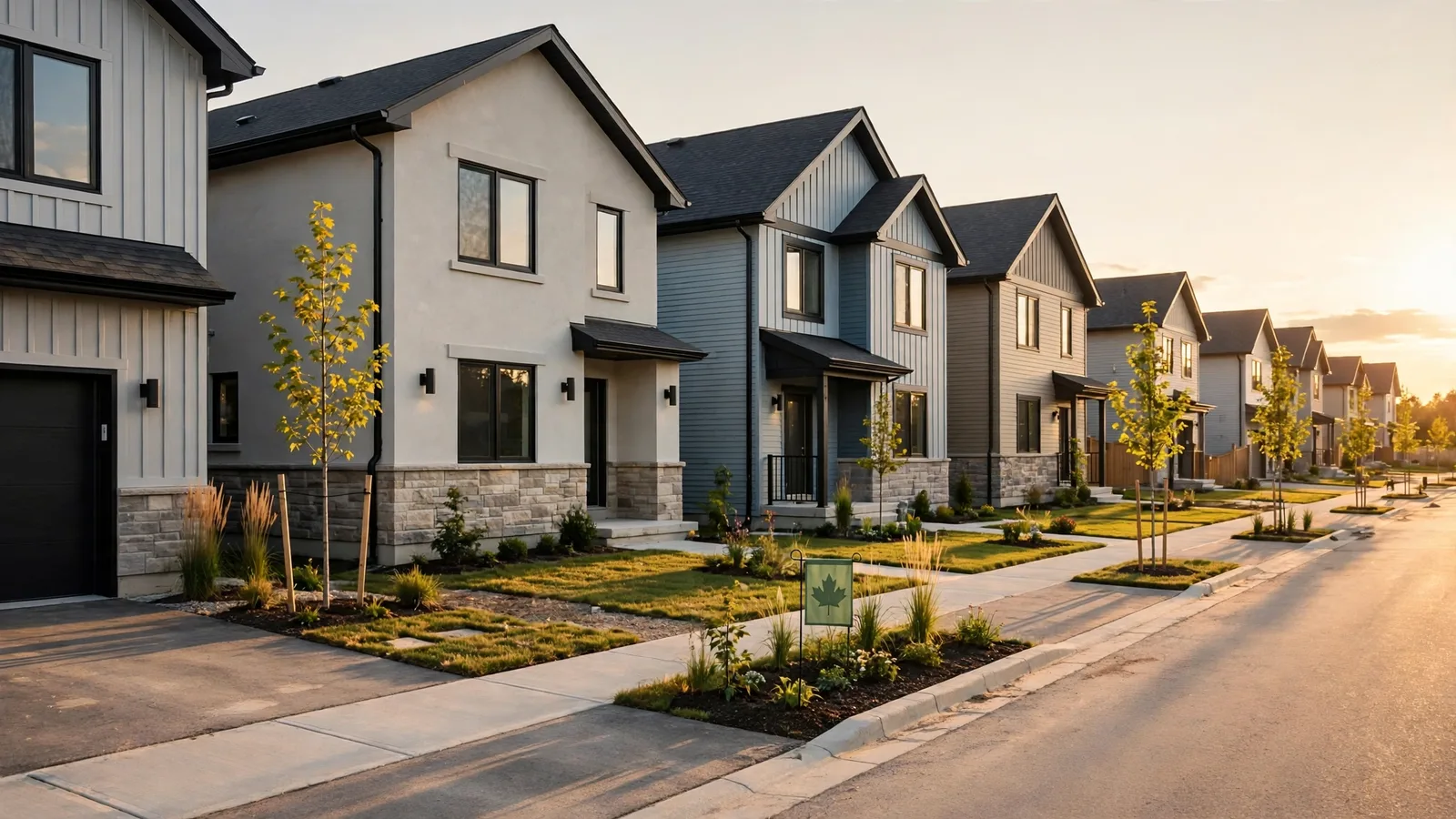
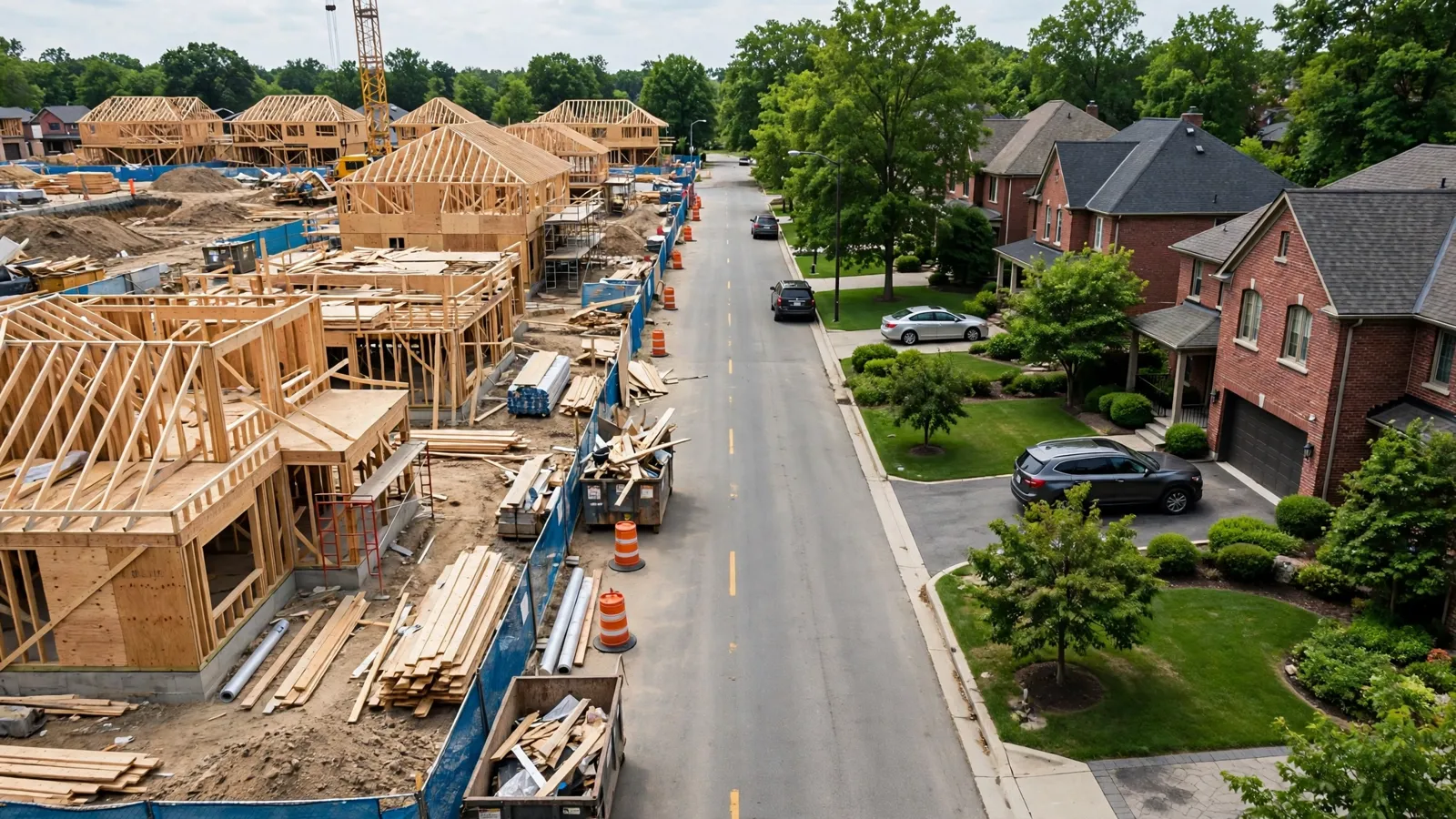
People talk about new construction and resale as if they were the same house at different ages. They're not — they're different products, bought in different ways. A resale home is a finished thing: you walk through it, your inspector gets into the attic, and on closing day you receive exactly the house you saw, on a street that already exists. A new build is a promise: a floor plan, a rendering, a lot on a survey, and a closing date closer to an estimate than a commitment. Neither is automatically the better buy. But the differences that decide it aren't in the sales brochure — they're the tax bill, the timeline, and a stack of closing charges that never appear in the advertised price.
The tax difference is the big one
Buy a resale home in Ontario and there is no GST/HST on the price. Buy a new home — or one that has been substantially renovated — and there generally is: HST at 13% on the full purchase price, on top of the number you negotiated. That single line can outweigh every other difference in this guide. There are rebates that take some of the sting out: federal and Ontario new-housing rebates can return part of the tax for buyers who will live in the home, but they come with eligibility rules and price limits and rarely erase the bill. This is general information, not tax advice — before you compare prices, run your own situation through the GST/HST new-housing rebate calculator, and read our walkthrough of how the GST/HST rebates work. A new home that looks $60,000 cheaper than the resale down the street can be the more expensive purchase once the tax is in.
The timeline: a wait that can move
Resale closings are measured in weeks. New construction is measured in seasons or years, and the date can move. Builders' contracts allow closing dates to be extended within set rules, and Tarion, which administers Ontario's new-home warranty, sets the framework for delay notices and compensation when a builder misses its dates. On a new condo, add a two-step finish: interim occupancy lets you move in and pay monthly occupancy fees months before registration and final closing, when you actually own the unit.
What you get for the wait is Tarion coverage. At a headline level, every new home in Ontario is enrolled, and the warranty broadly includes deposit protection if the deal falls apart, coverage for workmanship and material defects in the early years, coverage for major systems and water penetration after that, and long-term protection against major structural defects. It is real protection — but it protects the house, not your schedule. If your life has a fixed date in it — a lease ending, a school start, a sold home of your own — price the risk that the new build doesn't meet it.
The closing costs nobody quotes at the sales office
The advertised price of a new build is a starting point in a second way: the closing statement. New homes commonly attract charges a resale purchase never sees — development and education levies passed through from the builder, utility hookup and meter installation fees, the Tarion enrolment fee, driveway and grading deposits, and fees for things like status review on a condo. Some agreements cap these levies; many don't, which means the number isn't final until the builder's lawyer sends the statement of adjustments. Ask before you sign whether levies are capped, and read the full list of extras closely — our rundown of closing costs in Ontario shows where these fit. And if life changes before the home is built, selling your place in line is an assignment, with its own consent, fee and tax rules: assignment sales, explained.
What you see versus what you choose
With resale, the inspection is the moment of truth: the furnace's age, the slope of the lot, the afternoon light — all knowable before you commit. With new construction, you are choosing from samples. The base price buys builder-grade finishes, and the décor centre is where budgets quietly expand: the kitchen, the flooring, the structural options and the lot premium that make the house you pictured. None of that is a trick — upgrades are genuinely optional — but the honest comparison prices the house you'll actually live in, not the base model on the price sheet.
Location and the newness premium
Established streets offer things a subdivision can't print: mature trees, schools and parks already open, transit running, neighbours in place. New communities offer the reverse timeline — years of construction traffic while the schools and retail catch up. And newness itself carries a premium: buyers pay extra for untouched. If you sell a few years after closing, the market will compare your home against resale stock without refunding that premium. That's not an argument against new — it's an argument for planning to stay long enough for the premium to stop mattering.
Who should buy which
- Buy resale if your move has a fixed date, if the established neighbourhood is the point, or if you want your inspector — not a warranty claim — to be your quality control.
- Buy new if your timeline is flexible, if you value the warranty and modern systems, and if the full number — price, tax, levies, upgrades — still beats the comparable resale after the rebates you actually qualify for.
- Either way, compare total cost of getting the keys, not the number on the sign.
The bottom line
New construction sells you a warranty and a wait; resale sells you certainty about the house and the street. The taxes, timeline risk and unquoted closing charges decide which one is really cheaper for you — run those numbers first. Then, whichever way you land, the purchase itself follows the same sequence — worth knowing before you sign anything: the buying process, step by step.